Katja Wolf · 1 November 2026
Tech Growth and Weather Shifts Drive Skyfeld's Fresh Community Ventures
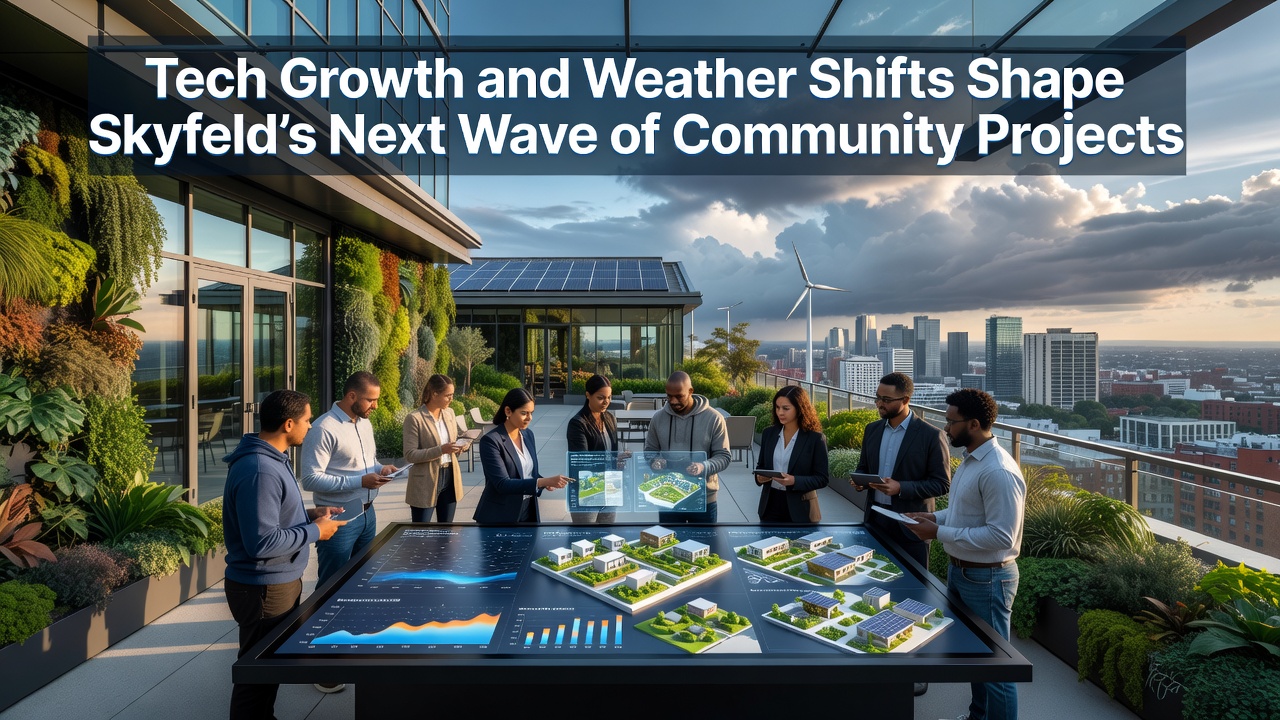
Tech expansion continues to intersect with changing weather patterns across Skyfeld, prompting a series of community projects that blend digital innovation with climate adaptation measures, according to regional planning records from late 2025 into 2026.
Local authorities have tracked increased investment in tech infrastructure, while meteorological data shows rising variability in precipitation and temperature extremes, and both factors now guide decisions on public facilities, education programs, and recreational areas.
Tech Sector Expansion Fuels New Initiatives
Software development clusters and data processing centers have added thousands of jobs since 2023, with companies establishing operations that require updated power grids and high-speed connectivity, and these demands have led planners to integrate smart sensors into upcoming community centers and libraries.
One project in the eastern district incorporates AI-driven lighting systems that adjust based on occupancy and natural light levels, while another initiative links local schools to remote learning platforms that support hybrid classrooms during periods of extreme weather.
Industry reports from the Canadian Digital Technology Council highlight similar patterns in comparable mid-sized regions, where tech firms contribute resources for public Wi-Fi expansions and coding workshops that run year-round.
Weather Pattern Changes Prompt Adaptive Designs
Records from Environment Australia document more frequent heatwaves and irregular rainfall in areas with geography akin to Skyfeld, adn these trends have accelerated the rollout of shaded public plazas and stormwater management systems that double as gathering spots.
Engineers now embed weather-resistant materials into playgrounds and walking paths, and they pair these upgrades with monitoring networks that feed real-time alerts to residents via mobile apps developed by local startups.
Community gardens receive automated irrigation tied to forecast data, reducing water waste during dry spells that have lengthened in recent seasons, while indoor fitness hubs gain backup power supplies to stay operational when storms disrupt the main grid.
Integrated Projects Take Shape by November 2026
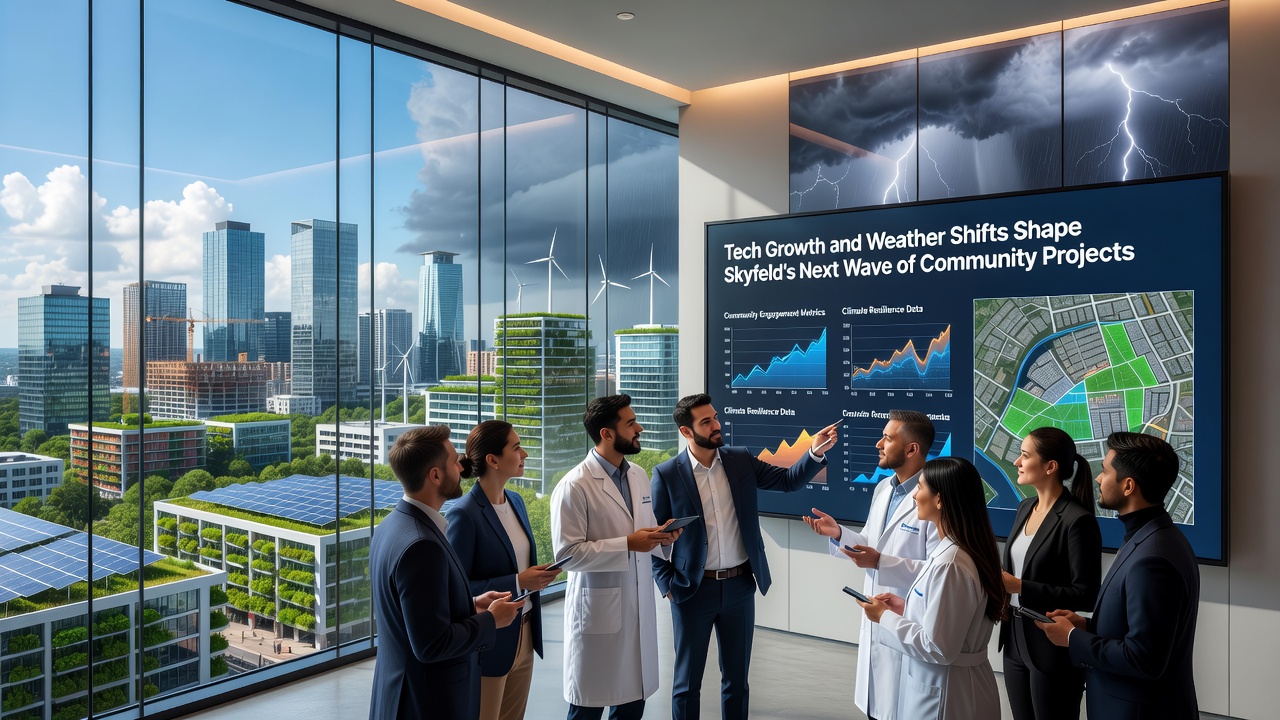
By November 2026 several combined efforts reach key milestones, including a multi-use facility that houses both a tech incubator and an emergency resilience hub, and planners schedule public demonstrations of its dual-purpose systems that month.
Funding streams combine private tech contributions with grants tied to climate adaptation goals, and project timelines align around data releases from international bodies such as the European Environment Agency that track urban heat island effects in growing tech corridors.
Youth programs pair coding sessions with environmental monitoring activities, giving participants hands-on experience with tools that collect weather and usage statistics for ongoing refinements.
Broader Regional Context and Resource Allocation
Observers note that Skyfeld's approach draws from models in other areas where tech corridors overlap with variable climates, and allocation decisions now weigh both economic multipliers from new firms and projected maintenance costs under altered weather regimes.
Public consultations have reviewed proposals for expanded transit links that incorporate electric vehicle charging tied to solar arrays, and these elements connect to larger goals of lowering emissions while supporting workforce mobility in the tech sector.
Data compiled through 2025 shows measurable upticks in project approvals that address both digital access gaps and flood or heat mitigation, with timelines extending into 2027 for full implementation.
Conclusion
Tech growth and weather shifts continue to converge on Skyfeld's planning agenda, shaping community projects that prioritize resilient infrastructure alongside digital connectivity. Records through November 2026 reflect steady progress on integrated sites that serve multiple needs, and ongoing data collection supports adjustments as conditions evolve.